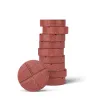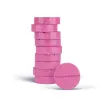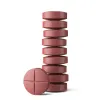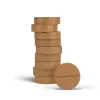

“7-OH Replacement” is marketplace navigation language used to identify a different product category for shoppers moving away from 7-OH listings. It is not a statement that a botanical alkaloid complex is chemically equivalent to 7-OH, produces the same result, carries the same risk profile, or is appropriate for every person.
Compare categories before strengths
A 7-OH label identifies 7-hydroxymitragynine or a related concentrated formulation. A botanical alkaloid complex may contain a different set of botanicals, extracts, or named constituents. Because the ingredient identities differ, milligram numbers across the categories are not directly interchangeable.
Start by reading the active ingredient panel. Note whether each component has its own amount or whether only a total complex is shown. Then confirm whether the basis is per tablet or per serving.
What the replacement label can communicate
In a catalog, the phrase can help shoppers locate non-7-OH listings during a category transition. That is its practical limit. It should not be read as a dose conversion, a promise of equal effects, an assurance about regulations, or a recommendation to substitute one substance for another.
Build a factual comparison
- Ingredient identities and botanical names
- Individual versus total-complex amounts
- Number of tablets per serving
- Extract ratios or standardization statements
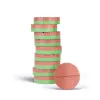
- Tablet format, flavor, and other ingredients
- Available product and batch documentation
If a listing uses a branded complex name, find the corresponding ingredient breakdown. If it does not disclose component amounts, record that limit rather than inferring a formula from the brand name.
Regulatory context can change
Product availability and category language do not establish federal, state, or local status. Rules and enforcement positions can change, especially around concentrated alkaloid products. Check current official information for your location and do not use a marketplace article as legal or medical advice.
Simply Tabs organizes these as separate catalog categories so their labels can be evaluated on their own terms. Browse botanical alkaloid complex listings and compare formulation facts without treating “replacement” as equivalence.