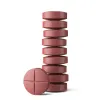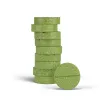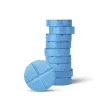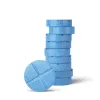

THCA (tetrahydrocannabinol acid) is a naturally occurring compound found in cannabis plants, particularly in the trichomes (crystal-like structures) on the flowers and leaves. It is the acidic precursor to THC (tetrahydrocannabinol), the well-known psychoactive compound in cannabis.

Top Selling THCA Products
States THCA Products Ships To
Shipping Limitations
What is 7OH?
7-Hydroxy (7OH) is a natural alkaloid and the primary active metabolite of kratom (Mitragyna speciosa).
Federal Law
7OH is not scheduled under the Controlled Substances Act and is federally legal to sell and ship across state lines, unless restricted by state laws.
Frequently Asked Questions
Explore answers to our most commonly asked questions about CBD, our products, and more.
THCA and THC are similar in molecular structure but have different properties. THCA is non-psychoactive, meaning it doesn't produce the "high" associated with THC. When heated, THCA undergoes decarboxylation and converts into THC, the compound responsible for the psychoactive effects of cannabis.
Yes, drug tests pick up on both, THC and THCA metabolites, which will likely cause you to trigger a positive drug test after ingesting THCA.
THCA itself does not induce a psychoactive high. It's only after decarboxylation, which can occur through heating, that THCA converts into THC and produces the characteristic euphoric and intoxicating effects.
The legality of THCA varies depending on jurisdiction and local cannabis laws. In some places, THCA-containing products, especially those derived from hemp with low THC content, might be legal. However, since THCA can potentially convert to THC, its legal status could be subject to state regulation.